

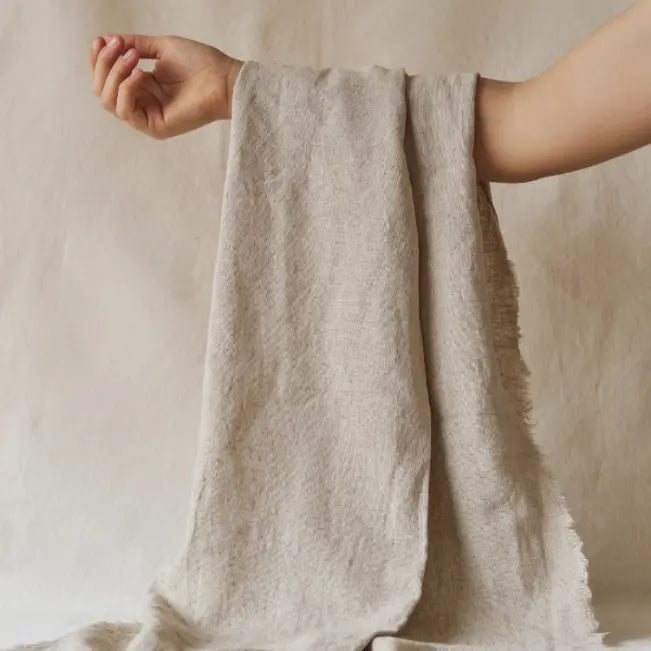
The Beauty of Natural Fibres: Where Comfort Meets Conscious Living
🛈 Info: This article is intended to explain the characteristics of natural fabrics in detail and to support informed shopping decisions.
Natural Fibres 101: What They Are and Why They Matter
Natural fibres have been used for thousands of years in textiles and everyday garments. Sourced from plants or animals, these fibres include cotton, flax (linen), wool, bamboo, and hemp. Their continued use reflects not only their functionality but also their compatibility with human comfort and environmental health.
What Are Natural Fibres?
Natural fibres are materials derived from nature—plants like cotton, flax, jute, and hemp, or animals such as sheep (wool) and silkworms (silk). These fibres differ significantly from synthetic alternatives like polyester or nylon, which are derived from petrochemicals and often contribute to environmental pollution through microplastics.
Benefits of Natural Fibres
- Breathability: Natural fibres allow air circulation, helping to regulate body temperature.
- Biodegradability: These fibres decompose naturally, leaving minimal environmental impact.
- Comfort and Texture: Fibres like cotton and linen are soft to the touch and become more comfortable over time.
- Skin-friendliness: Because they don’t trap heat or chemicals, they are often gentler on sensitive skin.
Cotton vs. Linen
Cotton is a highly versatile fibre known for its softness, moisture absorption, and ease of care. It’s commonly used in everyday clothing, towels, and bedding.
Linen, made from the flax plant, is more structured and breathable. It has a distinct texture and natural luster. Linen garments are often favored in warm climates for their ability to stay cool and dry quickly.
Sustainability and Everyday Use
With growing concerns over the environmental impact of synthetic fashion, many consumers are turning to natural fibres for more sustainable choices. While natural fibre production still has an ecological footprint, it is generally lower than that of synthetic textiles—especially when grown organically or processed responsibly.
Natural fibres are now widely used not only in clothing but also in home textiles, personal care products, and even in industrial applications like insulation and composites.
Conclusion
Natural fibres offer a reliable, environmentally conscious alternative to synthetic materials. Their comfort, durability, and biodegradability make them suitable for both everyday wear and long-term sustainability goals.
🌱 At Trimita, we specialize in breathable, natural-fibre clothing such as Turkish cotton and linen garments, produced in small batches with respect for both people and the planet.
→ Learn more at Trimita.store



Leave a comment
This site is protected by hCaptcha and the hCaptcha Privacy Policy and Terms of Service apply.